
Rebounders torch calories through NASA-verified efficiency (68% more effective than jogging), HIIT protocols that maximize fat-burning, and full-body muscle engagement that elevates your resting metabolism. You’ll burn more calories in less time while enjoying reduced joint impact compared to running. Daily 15-minute sessions create cumulative fat loss with continued afterburn effects. The combination of G-forces and varied intensity levels makes rebounding one of exercise science’s best-kept calorie-burning secrets.
High-Intensity Interval Training on Your Rebounder

When you step onto a rebounder for HIIT, you’re accessing one of the most efficient calorie-burning workouts available. This powerful combination delivers cardiovascular benefits in just 36-45 minutes while absorbing 87% of impact shock compared to hard surfaces.
Your rebounding HIIT session alternates intense bouncing with brief recovery periods, quickly elevating your heart rate while protecting your joints. The spring-loaded surface activates deep core muscles, hip stabilizers, and leg muscles more intensely than flat-ground exercise, considerably boosting calorie burn.
The rebounding surface magnifies every movement, forcing your stabilizing muscles to work overtime while your heart pounds and calories vanish.
You’ll engage both anaerobic and aerobic energy systems during these intervals, enhancing fat oxidation even after your workout ends. Programs like Boogie Bounce HIIT specifically combine explosive exercises with aerobic movements to maximize calorie burn potential.
For maximum effectiveness, start with dynamic stretching before progressing to higher-intensity intervals—all while benefiting from reduced recovery time and minimal injury risk.
The NASA-Approved Calorie Burn Advantage
NASA’s groundbreaking research has confirmed what rebounding enthusiasts have known all along: this exercise method delivers an extraordinary calorie-burning advantage. Their studies revealed that just 10 minutes on a rebounder burns more calories than 30 minutes of running, with 68% greater efficiency.
When you bounce, you’ll experience beneficial G-forces that increase oxygen consumption and heart rate while minimizing joint stress. This creates the perfect environment for maximum calorie burn with minimal impact. Your body responds to these gravitational changes by engaging more muscle fibers than when running. The physical stress level during trampoline exercise enhances strength development more effectively than jogging.
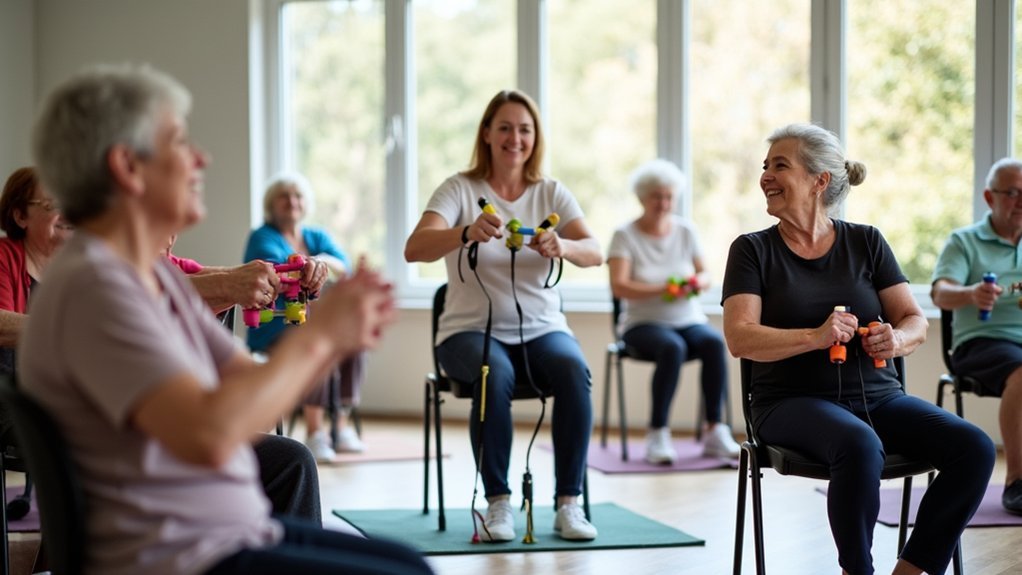
The benefits extend to everyone – seniors appreciate the low-impact nature, while those recovering from injuries can safely rebuild strength.
You’re not just burning calories efficiently; you’re simultaneously boosting your metabolism, strengthening your core, and enhancing immune function through improved lymphatic circulation.
Muscle Activation That Boosts Your Metabolism

Rebounding doesn’t just burn calories efficiently – it transforms your entire muscular system into a metabolic powerhouse. Each bounce engages your quadriceps, hamstrings, and calves while simultaneously activating your core to maintain balance.
This extensive muscle engagement increases your resting metabolic rate, allowing you to burn more calories even after you’ve stepped off the rebounder. Unlike running, you’ll achieve significant cardiovascular benefits with lower metabolic cost, preventing excessive fatigue.
The beauty lies in rebounding’s ability to improve your muscle-to-fat ratio over time. As you build more metabolically active muscle tissue while reducing body fat, you’re creating a body that naturally burns more calories throughout the day. The exercise specifically engages your abdominal and deep back muscles with every bounce, strengthening your entire core structure.
For maximum benefit, try alternating between high-intensity bursts and gentle bounces during your sessions.
Consistent Daily Rebounding for Cumulative Fat Loss
The power of consistency can’t be overstated when it comes to achieving meaningful fat loss with rebounding. Just 15 minutes daily can burn approximately 820 extra calories over 10 days—that’s about 0.23 pounds of fat loss.
Your daily rebounding creates a steady caloric deficit that compounds over time. Unlike high-impact exercises that might sideline you with injuries, rebounding’s gentle nature allows for sustainable daily practice.
NASA research confirms rebounding is up to 68% more efficient at burning calories than jogging at similar speeds.
Plus, you’ll benefit from the afterburn effect, as your metabolism remains elevated post-workout, particularly targeting stubborn belly fat. Studies show that using alternating high-intensity workout segments like Tabata-style training can significantly increase your overall calorie burn.
The key? Maintain your heart rate at an elevated but manageable level and pair your routine with proper nutrition for maximum fat-burning results.
Full-Body Engagement vs. Traditional Cardio Workouts

Unlike traditional cardio that often isolates specific muscle groups, rebounding creates a dynamic workout environment that engages your entire body simultaneously. Your core, legs, and upper body work together, enhancing muscular endurance and coordination while burning more calories.
NASA research suggests rebounding can match 30 minutes of running for calorie burn but in less time. The afterburn effect continues to boost your metabolism even after you’ve finished your bouncing session. While traditional cardio might burn a fixed number of calories, rebounding’s intensity variability—burning 250-400 calories per hour—lets you customize your workout to meet specific goals.
You’ll also enjoy considerably reduced joint stress compared to high-impact activities like running, making rebounding ideal if you have mobility concerns.
Frequently Asked Questions
Can Rebounding Help Reduce Cellulite Appearance?
Yes, rebounding can help reduce cellulite appearance. You’ll benefit from lymphatic drainage, improved fat reduction, and muscle toning effects that together minimize the dimpled look while improving skin elasticity and tissue health.
How Long Before Seeing Weight Loss Results From Rebounding?
You’ll typically see weight loss results from rebounding within 12-20 weeks with consistent practice. Expect faster results if you maintain a calorie deficit, rebound 3-4 times weekly, and gradually increase your session duration.
Is Rebounding Safe During Pregnancy?
While rebounding offers benefits, you should exercise caution during pregnancy. Always get clearance from your doctor first, stick to gentle movements without actual bouncing, and prioritize stability to prevent falls that could risk injury.
Do Weighted Vests Increase Calorie Burn While Rebounding?
Yes, weighted vests notably increase your calorie burn while rebounding. They add resistance to your movements, requiring more energy expenditure. You’ll burn 12-13% more calories without feeling substantially more exerted during your workout.
Can Seniors Effectively Use Rebounders for Weight Management?
Yes, you’ll find rebounders excellent for weight management as a senior. They provide low-impact cardio, build muscle, improve balance, and strengthen bones—all while being gentle on your joints and accessible for home use.
In Summary
You’ll find rebounding offers an efficient path to calorie burning that’s backed by science, gentle on joints, and incredibly versatile. Whether you’re doing HIIT sessions, daily bouncing, or full-body workouts, your metabolism stays elevated long after you’ve finished. Don’t underestimate this compact fitness tool—incorporate just 15-20 minutes of rebounding into your routine and watch those calories melt away more effectively than with traditional cardio.



Leave a Reply